
Table of Contents
If your dog is constantly scratching, experiencing digestive upsets, or just not acting like themselves, it might be more than just a bad day—it could be something in their bowl. As pet parents, it’s essential to understand the difference between Dog food allergies and intolerances, as the way you adapt their diet can greatly improve their comfort, health, and happiness.
Dog Food Allergies vs. Intolerances: What’s the Difference?
What Are Dog Food Allergies
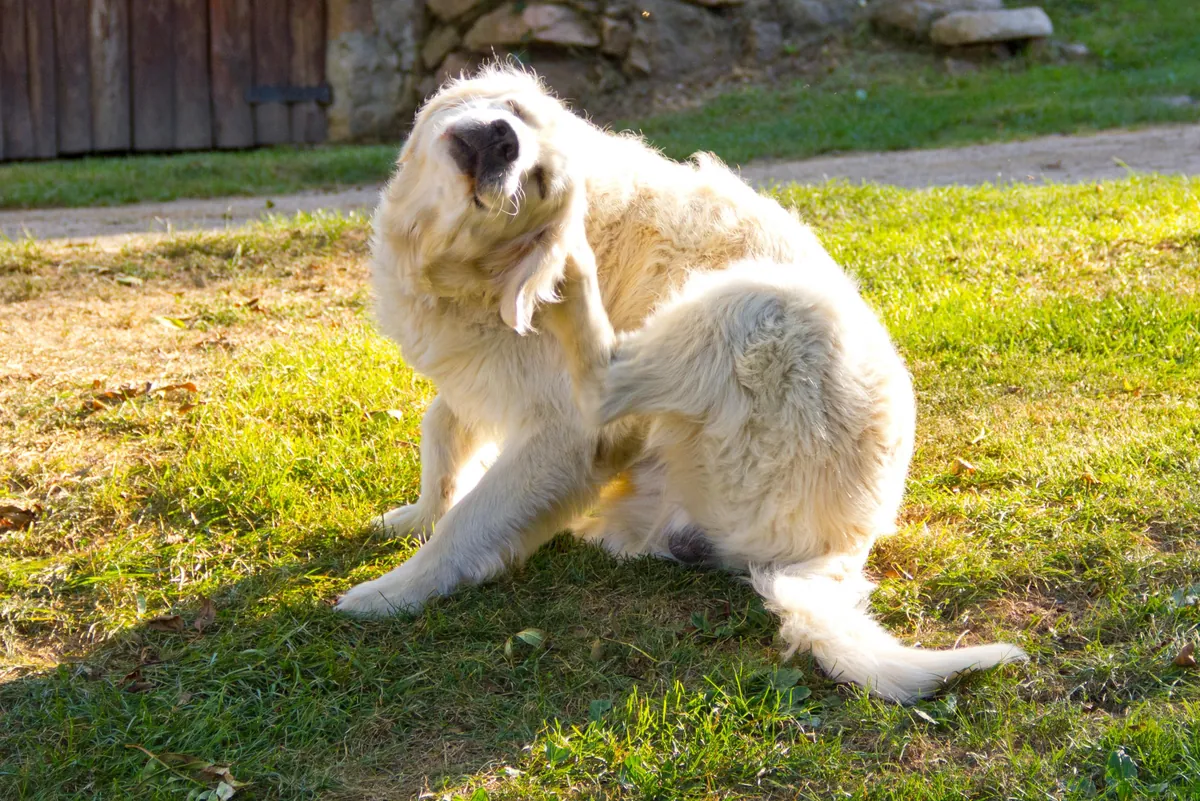
Food allergies in dogs are immune system reactions to specific ingredients. When a dog’s body mistakenly identifies a certain food protein as harmful, it triggers an allergic response. This reaction can appear in several ways, including:
- Itchy skin and paws
- Ear infections
- Chronic gas or diarrhea
- Vomiting
- Hair loss or skin infections
According to VCA Animal Hospitals, common allergens include beef, dairy, chicken, wheat, and soy.
What Are Food Intolerances in Dogs?
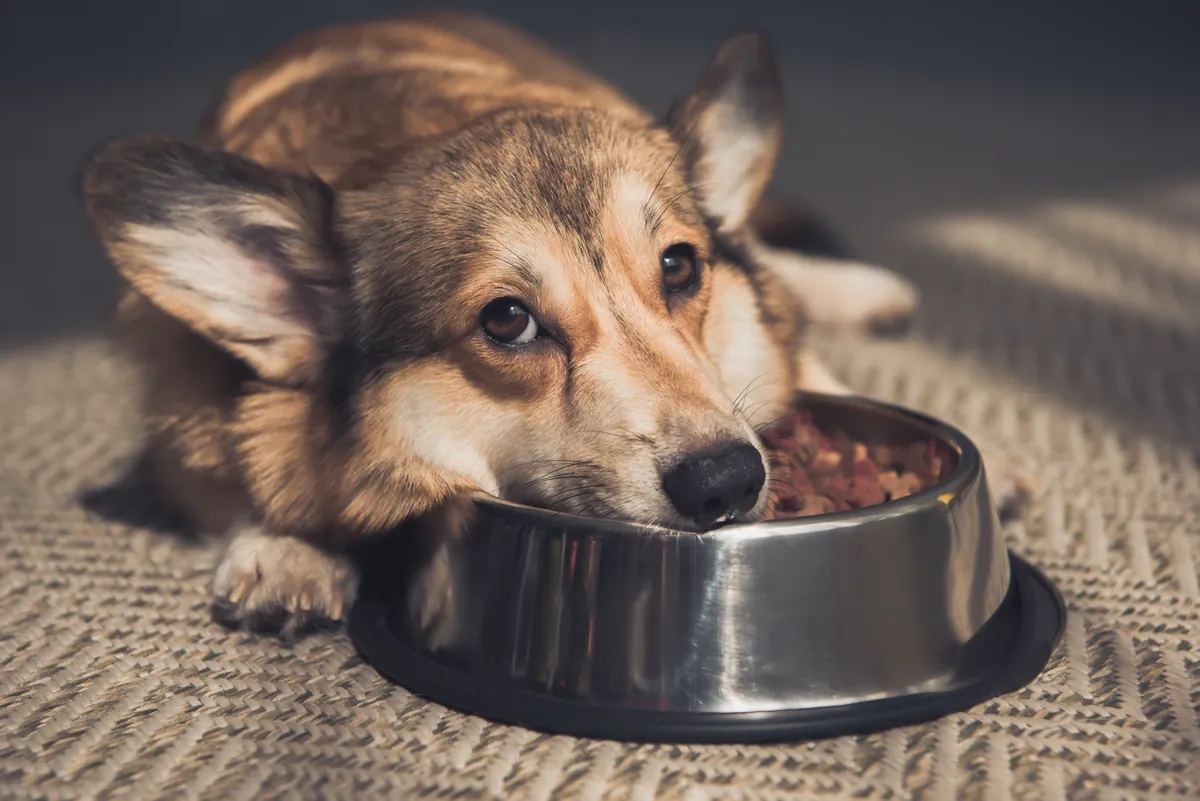
Unlike allergies, food intolerances in dogs don’t involve the immune system. Instead, they result from an inability to properly digest a certain ingredient—often due to enzyme deficiencies or sensitivities. Think of it more like lactose intolerance in humans.
Symptoms of food intolerance may include:
- Gradual onset of digestive upset
- Loose stool
- Occasional vomiting
- Gas and bloating
Food intolerances are generally less severe than allergies but can still affect your dog’s quality of life.
How to Spot the Difference
Spotting the difference between dog food allergies and intolerances can be tricky. Generally:
- Dog food Allergies often cause skin and ear issues in addition to digestive upset
- Intolerances mostly cause digestive discomfort, often without visible skin symptoms
The best way to confirm is through a dietary elimination trial. This involves feeding your dog a simplified diet—often with novel protein and carbohydrate sources—for 8–12 weeks, as suggested by American Kennel Club (AKC).
Common Signs Your Dog May Have a Food Reaction
- Chronic itchiness, even with regular grooming
- Red or inflamed paws and ears
- Loose or frequent stools
- Gas or bloating
- Lack of appetite or sudden weight changes
- Behavioral changes, such as irritability or lethargy
If you observe these, it’s time to take a closer look at their diet and consult your veterinarian.
Adapting Your Dog’s Diet
1. Elimination Diet Trial
Work closely with your vet to implement an elimination diet. This means:
- Removing all current treats, table scraps, and flavored medications
- Feeding a novel protein + carbohydrate diet for 8–12 weeks
- Reintroducing one ingredient at a time to identify triggers
This process requires patience but is the gold standard for identifying allergies.
2. Switching to Limited Ingredient Dog Foods
Once you’ve identified potential triggers, switch to a diet with limited ingredients that avoids those allergens or intolerances. These diets typically include a single protein source and a few simple, digestible carbohydrates.
Your vet may recommend home-cooked meals or commercial options based on your dog’s needs, but make sure the new food is complete and balanced for long-term health.
3. Go Grain-Free or Hypoallergenic (If Advised)
Some dogs benefit from grain-free diets, while others may require a prescription hypoallergenic formula. Note, however, that grain-free diets should only be pursued if there’s a confirmed intolerance, as they may increase the risk of heart issues if not managed properly. Always consult with your vet before making dietary changes, especially if you suspect allergies.
Also read,
When to See a Veterinarian
If you suspect a dog food allergy or intolerance, consult your vet immediately. Prolonged exposure to allergens can lead to chronic skin infections, ear problems, or gastrointestinal distress. Only a vet can rule out other conditions like:
- Environmental allergies
- Parasites
- Yeast or bacterial infections
- Autoimmune disorders
Remember: not all skin or stomach issues are food-related. An accurate diagnosis is key to long-term management.
Conclusion
Understanding the difference between food allergies and food intolerances in dogs empowers you to provide better care. By observing your pet’s symptoms, working with your vet, and feeding a carefully selected diet, your dog can enjoy a healthier, itch-free life.
And when your pup is spending the day with us at Dog House Dubai—whether for boarding, daycare, or a refreshing groom—we’ll be sure to follow any instructions you provide related to their dietary or skin sensitivities.
Need to book a session or learn more about our pet care services? Visit Dog House Dubai today to get started.